
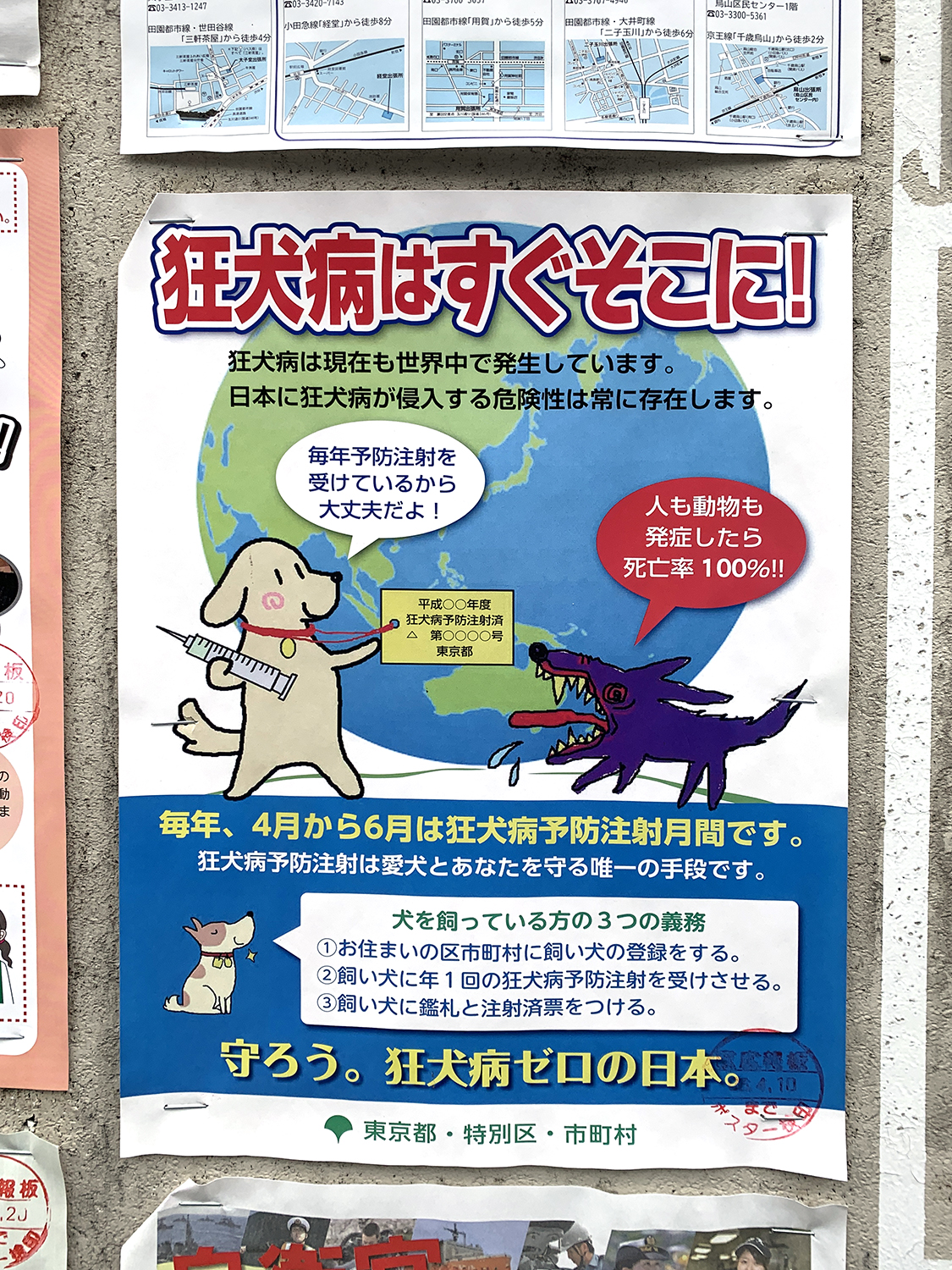
Preventing Rabies in Japan
Japan is currently rabies free. This is due to decades of enforcing a law mandating vaccinations and strict quarantines. In Japan, rabies is called Kyokenbyo 狂犬病 (translation: rabies). Keeping a country rabies free requires diligence and participation. Ensuring that your dog is up to date on vaccinations is part of responsible pet ownership and required by law in Japan. The dire effect rabies has on animals and people is probably even more motivating than the law when it comes to protecting your canine and human friends.
I need to start this paragraph with a disclaimer that I’m not a medical professional and that I’ve gathered the following information from the CDC and Japan’s Ministry of Labor Health Labor and Welfare site.
What is Rabies
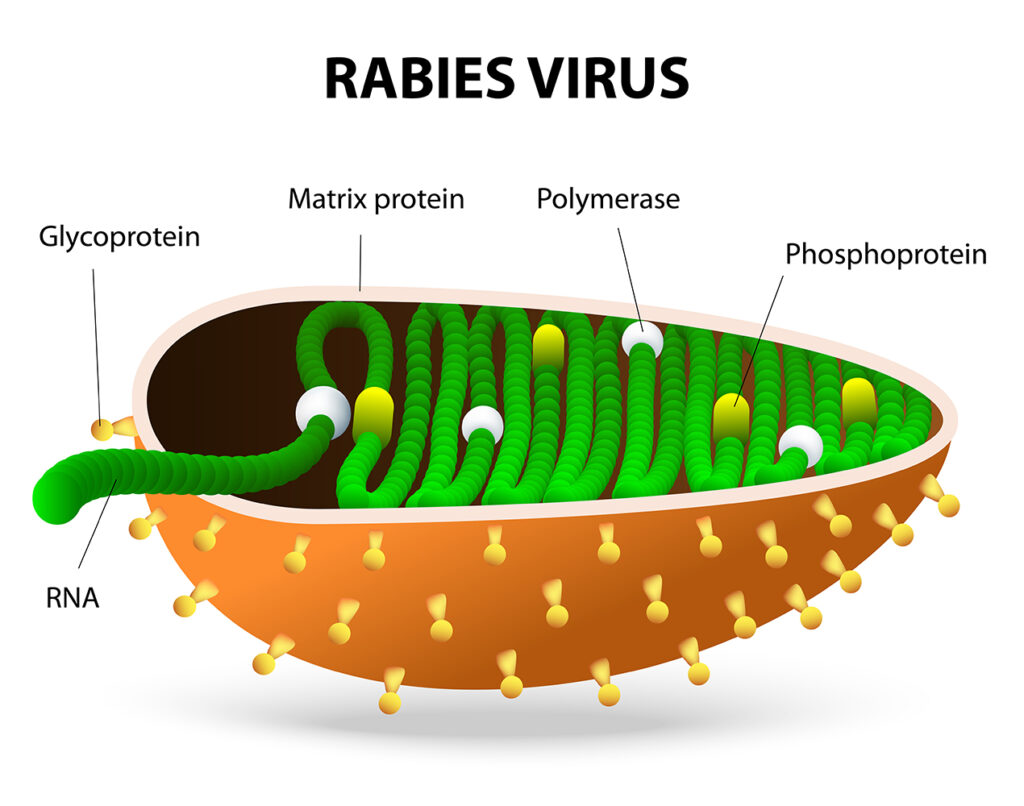
Rabies is a zoonotic virus, meaning it can be spread between animals and humans. It is one of the deadliest painful afflictions throughout human history. At one point in time, rabies was a death sentence. Now we can prevent rabies deaths by vaccination programs and immediate treatment (before symptoms set in)..
One might imagine this virus only affecting wild animals, but domesticated animals can also get rabies. A common understanding of rabies is that it causes animals to act violently. More accurately, a sign of rabies is an unusual change in behavior. Domesticated animals may act more violently, have strange vocalizations, or exhibit other signs of odd behavior. Wild animals could seem particularly tame or calm.1 Other signs of rabies in animals are foaming at the mouth, hydrophobia, paralysis.
How rabies works in the body
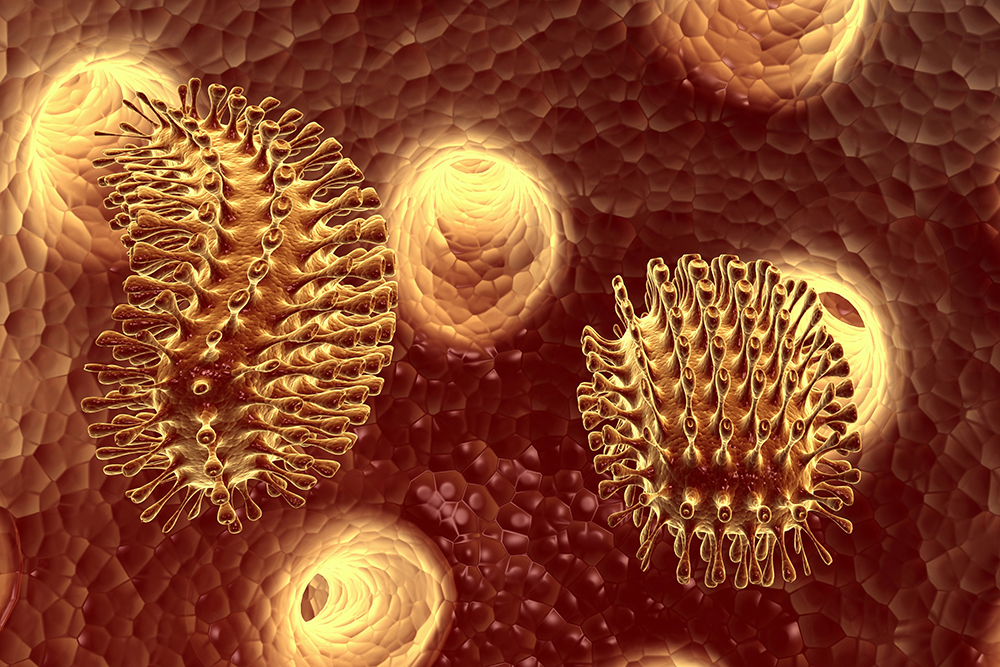
Rabies is carried through saliva. It enters the victim’s body through an open wound. Commonly, it’s transmitted when saliva enters an open wound, but saliva on a mucous membrane could also be a method of transmission. The virus makes its way to the brain. Once symptoms of rabies appear, a painful death is all but guaranteed. The time it takes for the infection to take hold depends on the size of the victim, the amount of virus that entered the body and how close the entry point is to the brain. Rabies Alliance gives an example of a man being bitten in the toe, taking more time to develop symptoms than a child bitten on the face. For most people, symptoms show in 10 days, but can be sooner or take up to a year.
Common Vectors
According to the Center for Diseases Control and Prevention, any mammal can get rabies. The most common are raccoons, skunks, foxes, and bats. Rabies can also infect livestock. Small rodents can get rabies.
Yearly, there are approximately 60 000 cases of people getting rabies throughout the world. Most cases occur in Africa and Asia in locations far from medical treatment. Many of the victims are children. Most of the cases are caused by dog bites. Dogs do not cause rabies: they are a vector for the disease. Rabies is a preventable disease with the use of vaccines in canine populations.
Can I get rabies from a dog or animal licking me?
As mentioned before, rabies needs infected saliva to enter an open wound or a mucous membrane. A bite is usually the most common way to break the skin barrier. But an infected animal licking an open wound (scratch or an abrasion) could also cause infection. If a raccoon seems unusually friendly and wants to lick your face, you’re more likely dealing with a rabid animal than experiencing a Disney princess moment.
The Ministry of Health, Labor and Welfare’s rabies page (question 11) gives a chart called 暴露に応じた暴露後ワクチン接種 (“Rabies Post-exposure Vaccination According to Exposure”) that categorizes exposure levels and required treatment.
In Japan, what happens if my dog or I get bitten and I suspect rabies?
All animal bites need to be inspected by a medical professional. Immediate treatment is to wash the wound with soap and water for 15 minutes to reduce the chance of saliva getting into your wound. Then seek medical help. There is an injection treatment that can prevent infection (post-exposure prophylaxis) if it’s started before symptoms show.
After this point, treatment procedures will vary depending on location, the type of animal bite and if the animal is available to observe in quarantine. For an in-depth English explanation of rabies and what treatment procedures, read this CDC link. Quick summary: the animal (and person) will be under quarantine for 10 days if the source of the bite is known. If in those 10 days, the animal doesn’t get sick, no further treatment is needed. During that time, if the animal gets sick, quickly get treatment. If the source of the bite is unknown or has escaped, you will need to consult with government health professionals in your area, but go to the hospital immediately.
In Japan, since there is no rabies, you do not need to observe the animal, but seek medical treatment for all bites. This link is the Japanese rabies procedure in Japan: Ministry of Health, Labor and Welfare’s Rabies Page. While the page mostly refers to bites occurring outside Japan, it includes a chart about exposure categories and actions that need to be taken.
https://www.mhlw.go.jp/bunya/kenkou/kekkaku-kansenshou10/07.html This site is in Japanese, but I found the google translate of the webpage to be effective. QUESTION 11 and 13. The Japanese page mostly refers to a bite outside of Japan. Also, there is a chart about exposure categories and actions that need to be taken.
There is an injection treatment that can prevent infection (post infection prophylaxis) if it’s started before symptoms show.
Why is it important to get your dog vaccinated?
It is not possible to diagnose the presence or absence of infection before the onset of symptoms. There is no test for rabies until symptoms appear. Once symptoms appear, it is too late to treat rabies and death is all but certain. No one wants to play the lottery with something like rabies. Don’t play—vaccinate.
How can I prevent my dog from getting rabies?
Yearly vaccinations are the best thing you can do for your pet. But even with vaccination, the chance of your dog catching rabies from an infected animal is not zero. Make sure that you don’t let your dog wander around on its own, and if it gets bitten, contact your vet immediately.
Do I need to get vaccinated?
Unless you are going to a country that has rabies and plan to engage in activities that will put you in contact with potentially infected animals (caving where bats live; animal rescue; hunting) you do not need to get a preventative vaccination. Also, if you do get bitten, there is a post exposure vaccine that is effective if taken in time. In Japan, we can safely enjoy our canine friends. But I want to emphasize that I’m not a medical professional and if you have questions about this, definitely talk to a medical professional.
Why is Japan rabies free?
Currently, Japan is free from rabies outbreaks and there have been no domestic cases of rabies in Japan since 1957. Like all countries in the world, Japan has experienced epidemics of rabies.
In 1950, Japan made the Rabies Prevention Law (Law No. 247 of 1950) that “establishes the obligation to vaccinate and register dogs in Japan and to conduct quarantine inspections upon departure from and entry into Japan.” There have been three cases of rabies in Japan, but those individuals contracted the virus outside the country. Preventing rabies is why bringing dogs into Japan is complicated. I’ll have an article later about import and quarantine for dogs.
Why vaccinate if there is no rabies in Japan?
Aside from strict import and quarantine rules, vaccination prevents a possible outbreak is a sick animal somehow evaded these procedures. Rabies is a painful, dangerous, and contagious virus, but it can be controlled and prevented through vaccinations and quarantine. Vaccination is a simple thing that we can do to live safely with our canine friends to keep them safe from painful deaths. Most human cases of rabies (99%) come from dog bites, so vaccinating dogs and preventing outbreaks enables us to live safely with dogs..
Rabies vaccination rules for dogs in Japan
The vaccination for dogs is called Kyokenbyo Yobo Chuusha 狂犬病予防注射 = mad dog disease prevention injection).
All dogs over 90 days old must get a rabies vaccination. Dogs must get yearly vaccinations between April and June. Young dogs will probably be vaccinated twice within 12 months to get on the yearly schedule. Amelia was born in March 2021, got her first rabies vaccination in August 2021 and then started her yearly spring vaccination in April 2022.
The registered owner of the dog will receive a notification in the mail and the paperwork for your dog’s vaccination. Many local governments have designated spots and campaigns for immunization. Alternatively, your vet may also offer vaccination and fill out the paperwork for you if you bring it. Amelia gets her rabies vaccination at her vet’s office because they also have a dog grooming, and we could get both done on the same day. Her vet filled out all the documents and submitted them for us. We got her new rabies vax tag and paperwork in the mail.
Your dog must have its registration (dog tag) and rabies tag on at all times in public. In Ota-ward, the dog tag is issued once. The proof of vaccination is on a ribbon you use to attach the dog tag to the collar. But other wards have different methods.
Postponing rabies vaccinations in Japan
If your veterinarian feels your dog is unable to have the vaccine due to age or illness, they can fill out a rabies vaccination grace certificate (狂犬病予防接種猶予証明: Kyōkenbyō yobō sesshu yūyo shōmei) for an exemption which you would take to the ward office. Your vet may provide that service for you. The grace period usually lasts one year with possible renewal.
Proof of Vaccination is key to making public places accessible for your dog.
You will also need proof of your dog’s rabies vaccination if you want to take your dog to a hotel or to a publicly run off-leash park. In these cases, the rabies tag attached to a collar may not enough. You need the paper proof of vaccination. It’s best to check the website of the hotel or park. I noticed that one dog park allowed copies of proof of vaccination, and another required to see the actual document.
How much does a rabies vaccination cost in Japan?
The fee for rabies vaccination (Kyokenbyo Yobo Chuusha 狂犬病予防注射) is 3650 JPY (3100 JPY for injection + 550 JPY for the certificate or 340 JPY if renewing), as of May 2020
Depending on your area or how you get your vaccination, you may get your certificate and tag immediately or get it in the mail. You may be charged a bit more if you get your vet to do the paperwork for you.
Non-compliance Fee
Aside from keeping your dog healthy and maintaining public safety,vaccinating your pet is often cheaper than the alternative. If your dog is not vaccinated, you could face a fine of up to ¥200,000. How this is enforced is worth exploring further in a future article. I’ve never seen people checking for your dog’s vaccination while out for a walk. This probably (and I’m just speculating) only happens if your dog bit someone, or if your dog escaped and got picked up by animal control.
Help keep Japan rabies free
Researching this article was eye opening. Most of my knowledge about rabies came from movies like Old Yeller and Cujo. For me, rabies vaccination was just another step in being a responsible dog owner—something I did to keep my pet safe from harm
Learning that other countries are still dealing with rabies epidemics made me appreciate living in a country where rabies is under control. I don’t need to fear animal bites here, and I have access to effective medical treatment if I act quickly.
Rabies is a disease we can prevent. With modern medicine, we can stop outbreaks and protect both pets and people. It’s a matter of making vaccination a priority and ensuring everyone has access to it. This research has strengthened my commitment to keeping up with my pet’s vaccinations, knowing it’s not just about her safety—it’s about contributing to a rabies-free community for everyone.
Tokyo Dog Life Lingo
迷い犬 (まよいいぬ, mayoi inu) – Missing/lost dog
狂犬病 (きょうけんびょ, kyokenbyo) – Rabies
注射 (ちゅうしゃ, chuusha) – Injection:
犬病予防注射 (きょうけんびょうよぼうちゅうしゃ, Kyokenbyo Yobo Chuusha) – rabies vaccination
暴露に応じた暴露後ワクチン接種 (ばくろにおうじたばくろごわくちんせっしゅ, bakuro ni oojitabakuru gowakuchinsesshu) – Rabies Post-exposure Vaccination According to Exposure (the injections you get after exposure)
- Breakdown of that long text above:
- 暴露 (ばくろ): Exposure
- に応じた (におうじた): In response to
- 暴露後 (ばくろご): After exposure
- ワクチン接種 (わくちんせっしゅ): vaccination
Annotated reading list (sources used)
https://rabiesalliance.org/about/about-rabies
Global Alliance for Rabies Control is a charity about eliminating rabies. Their education section has resources the public can use.
https://missionrabies.com/
A UK based organization with an explanation of rabies, its impact, their mission and how to donate to their initiative.
A description of rabies and the history of rabies in Japan in the introduction found in the National Library of Medicine.
- Kurosawa, A., Tojinbara, K., Kadowaki, H., Hampson, K., Yamada, A., & Makita, K. (2017). The rise and fall of rabies in Japan: A quantitative history of rabies epidemics in Osaka Prefecture, 1914–1933. PLOS Neglected Tropical Diseases, 11(3), e0005435. https://doi.org/10.1371/journal.pntd.0005435
Ministry of Agriculture Fishing and Forestry in Japan main page for rabies, regulations and importing dogs and quarantine.
- Rabies:動物検疫所. (n.d.). https://www.maff.go.jp/aqs/english/rabies.html Accessed on July 11, 2023
Japan Minisitry of Health, Labor and Welfare explanation of the rabies law and disease information. This page also has statistics and updates on rabies and preventative measures in Japan. The page is in Japanese but safari and google browser translation worked well.
Japan’s Ministry of Health, Labour and Welfare Rabies Q&A page Another page in Japanese but browser translation worked well. Advice for people traveling to rabies endemic areas, dog owners and Q&A which gives a more relaxed explanation.
- Rabies Q&A. (n.d.). Copyright © Ministry of Health, Labour and Welfare, All Rights Reserved. Retrieved July 11, 2023, from https://www.mhlw.go.jp/bunya/kenkou/kekkaku-kansenshou10/07.html
“Can a vaccinated dog get rabies? A Pet Parent’s Guide” About rabies from the point of view of a vet clinic.
https://www.cdc.gov/rabies/index.html
This is a great for a comprehensive overview of rabies, infection vectors, symptoms and treatment.
https://www.cdc.gov/rabies/exposure/animals/domestic.html
Find out about different types of treatment after exposure to rabies based on levels of exposure.
Shibuya Ward’s pet information page. This site uses machine translation. It’s helpful but sometimes has awkward phrasing. Lots of information about owning a dog and about rabies.
Leave a Reply